
How to run a mystery shopping program: wave to client report
Image
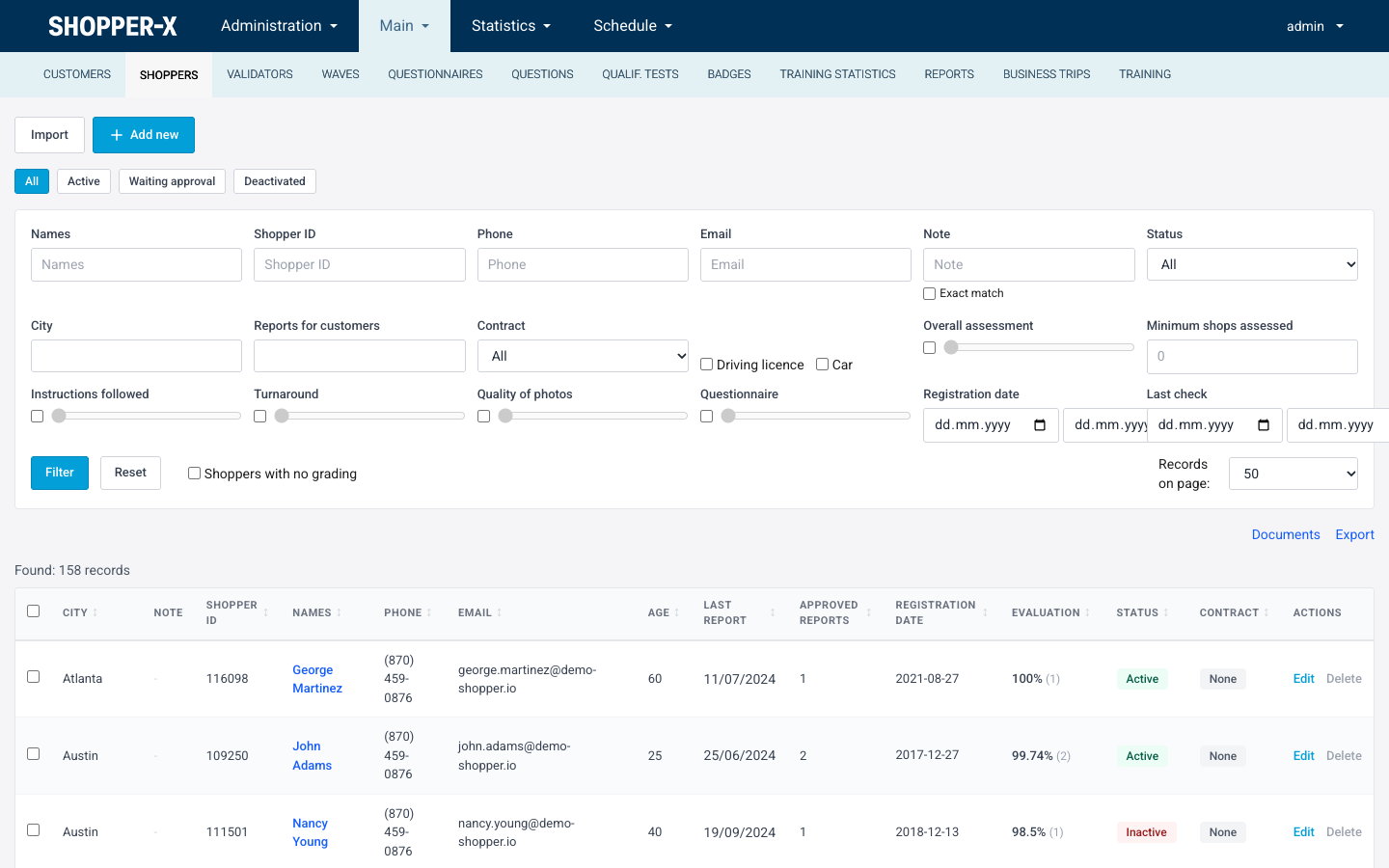
A step-by-step operations guide to running a mystery shopping program: scoping a wave, locations, the shopper pool, scheduling, deadlines, validation, payment periods, client delivery and what to automate first.
Mystery shopping KPIs: what to measure and what the score means
Image
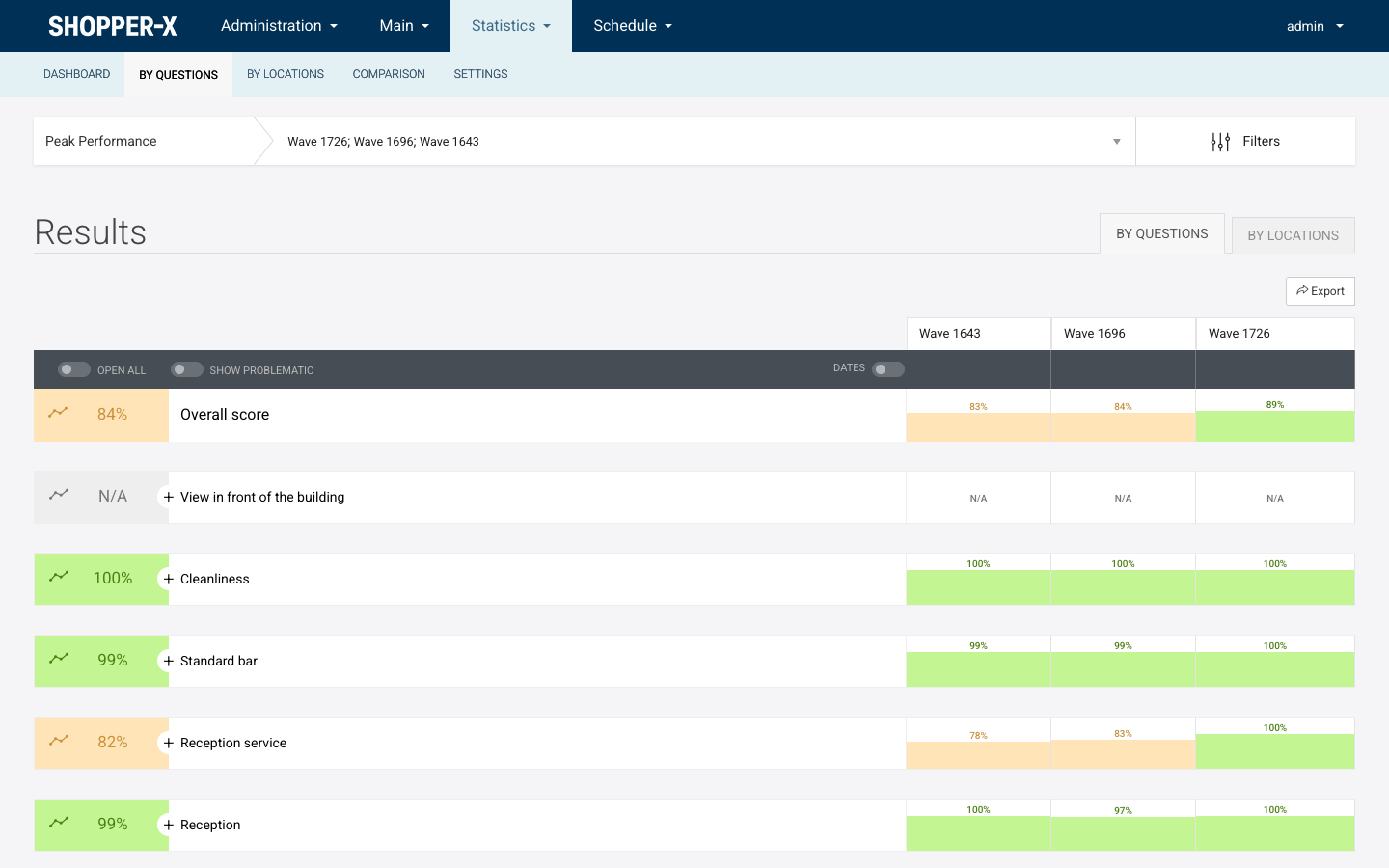
How an overall mystery shopping score is built from question weights and sections, what 84% does and does not mean, which program KPIs an agency tracks beyond the score, and how shoppers are rated into Bronze, Silver and Gold.
How to design a mystery shopping questionnaire with a usable score
Image
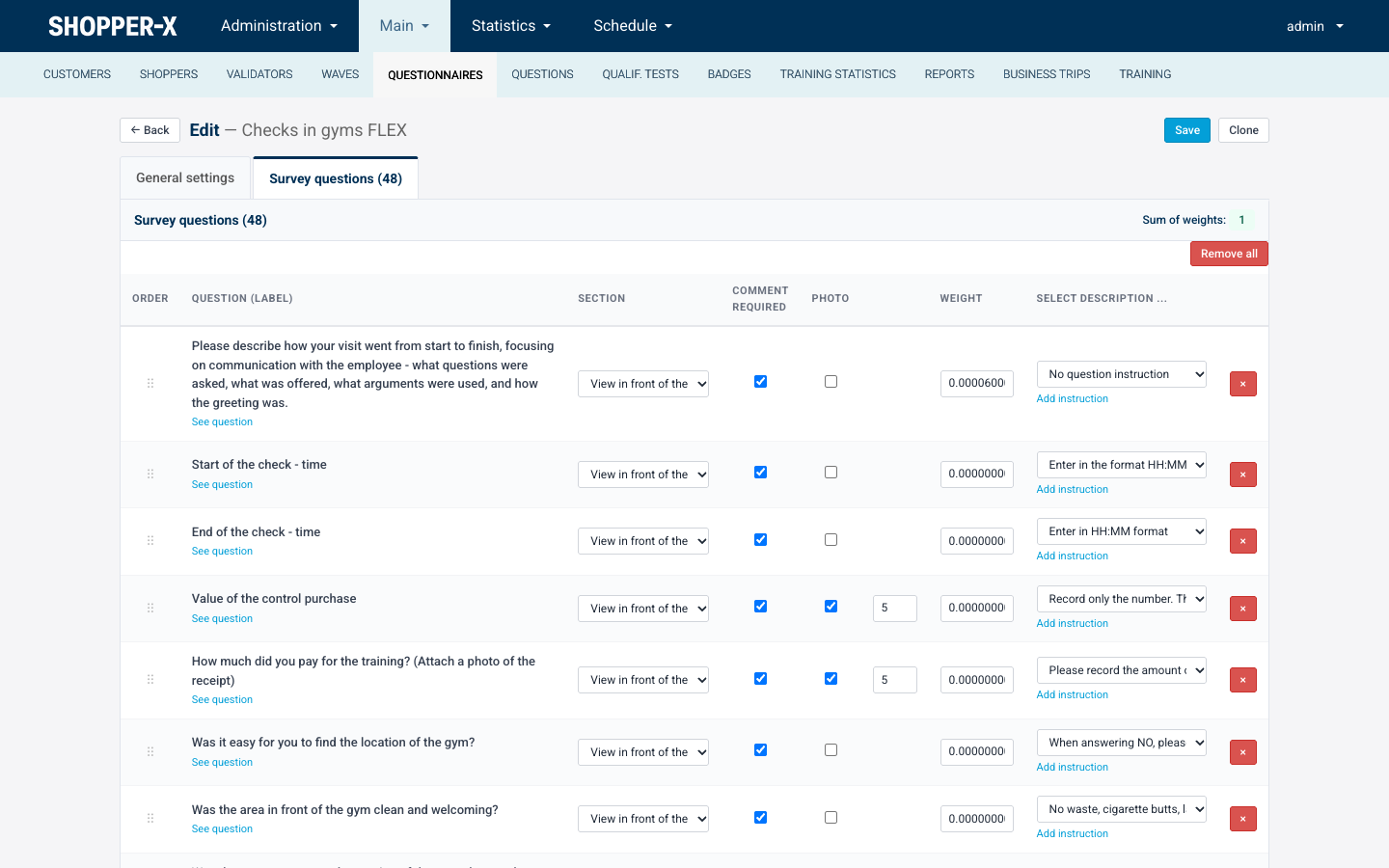
A method for designing a mystery shopping questionnaire whose score a client can act on: sections in visit order, one question type per fact, a worked weights example, evidence rules and a checklist before the first wave.
Car dealership mystery shopping: sales, service, shoppers and travel
Image
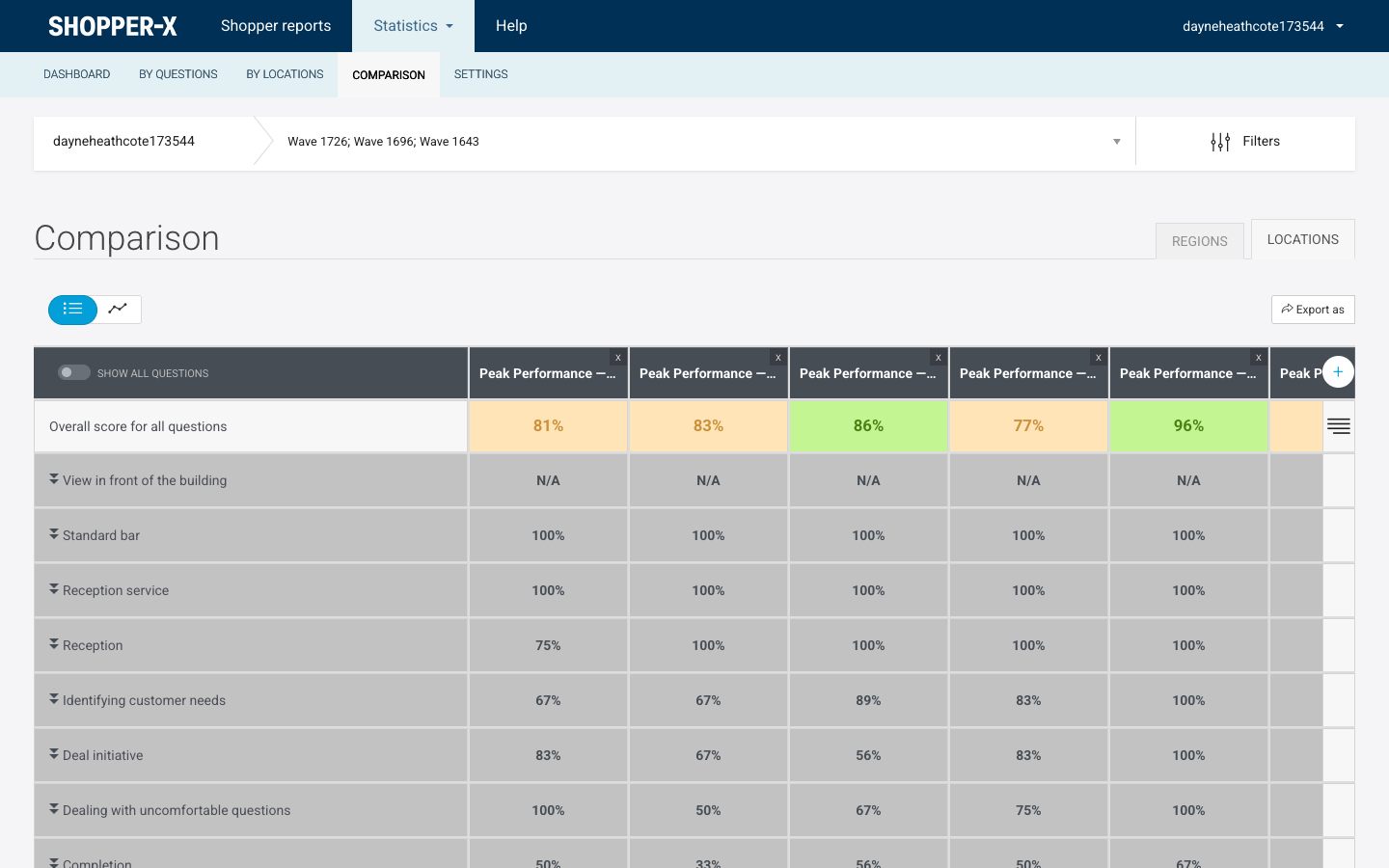
A practitioner's guide to dealership mystery shopping: a 20-question sales scenario with a 48-hour follow-up, a service scenario built around the invoice, shopper gates for license and car, business trips versus a flat fee, and dealer-against-dealer reporting.
Bank branch mystery shopping: scenarios, compliance, program outline
Image
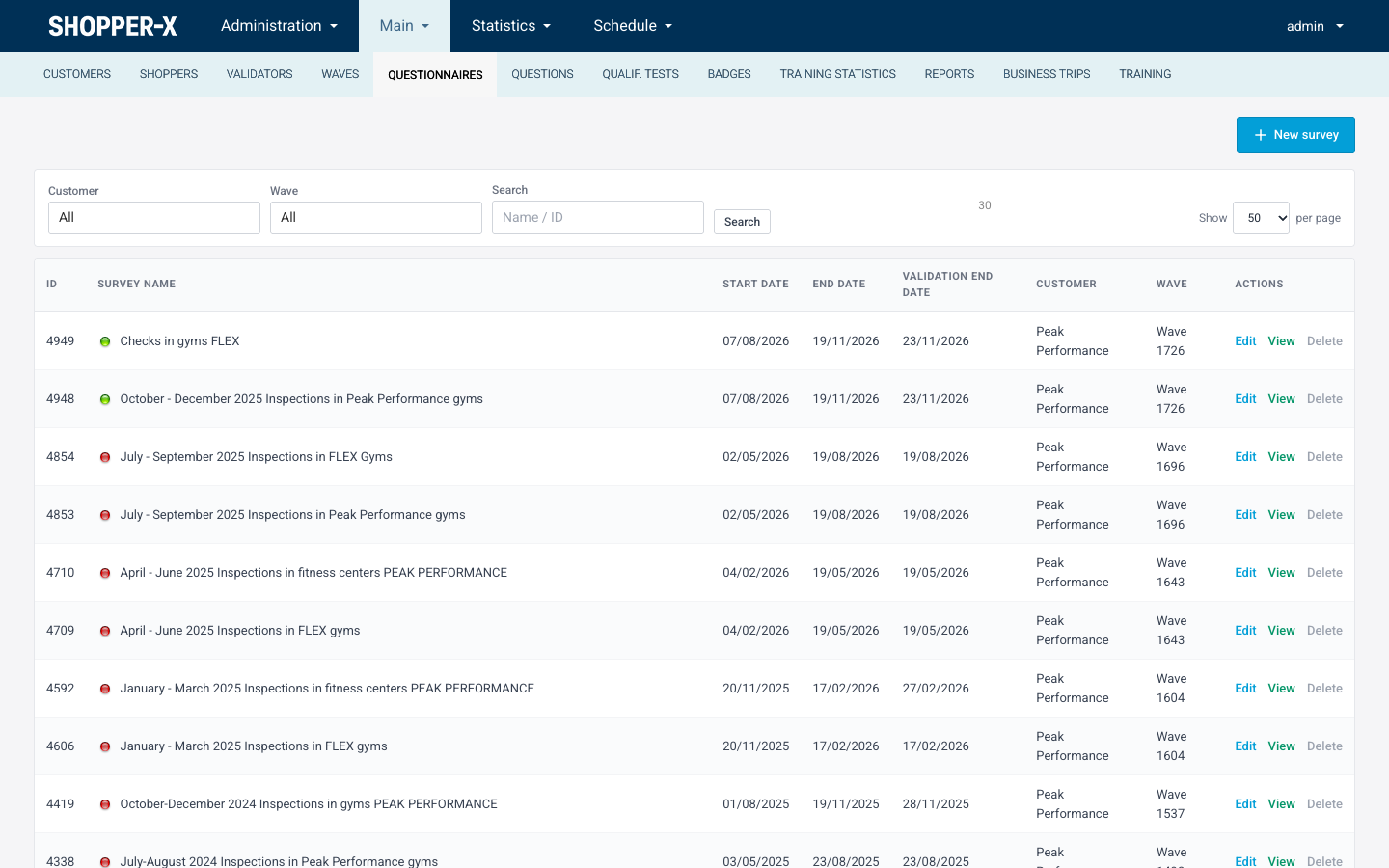
How banks run mystery shopping differently: enquiry scenarios instead of purchases, disclosure questions compliance signs off, narrative answers about fees and rates, private data rules, and a quarterly outline for 80 branches.
Retail mystery shopping: how to run a store program managers act on
Image
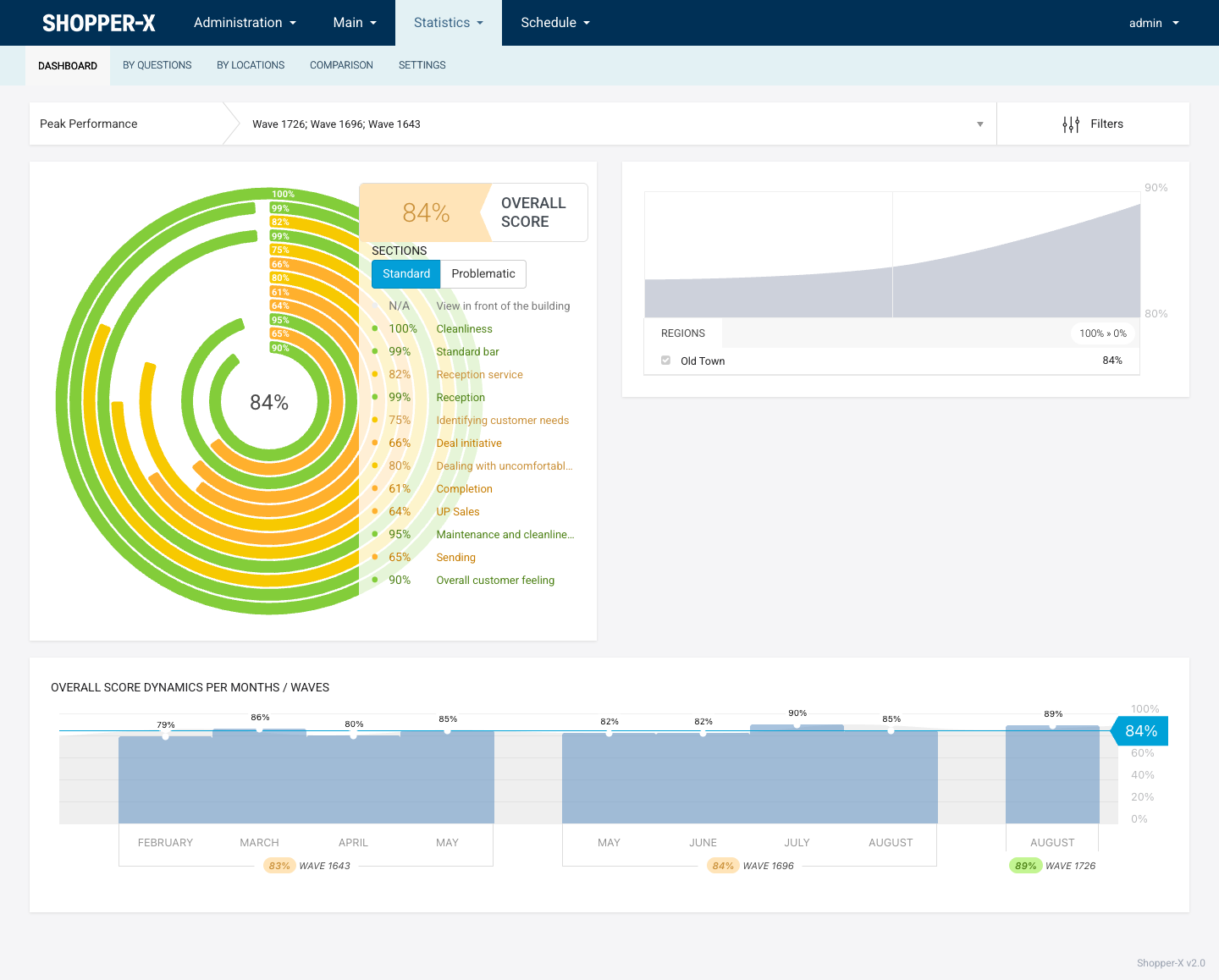
How to set up a retail mystery shopping program that regional and store managers act on: the location hierarchy, store-shaped sections and weights, dayparts and excluded dates, retail validation checks and district reporting, with a 72-store worked example.
How to choose mystery shopping software: a checklist by workflow stage
Image
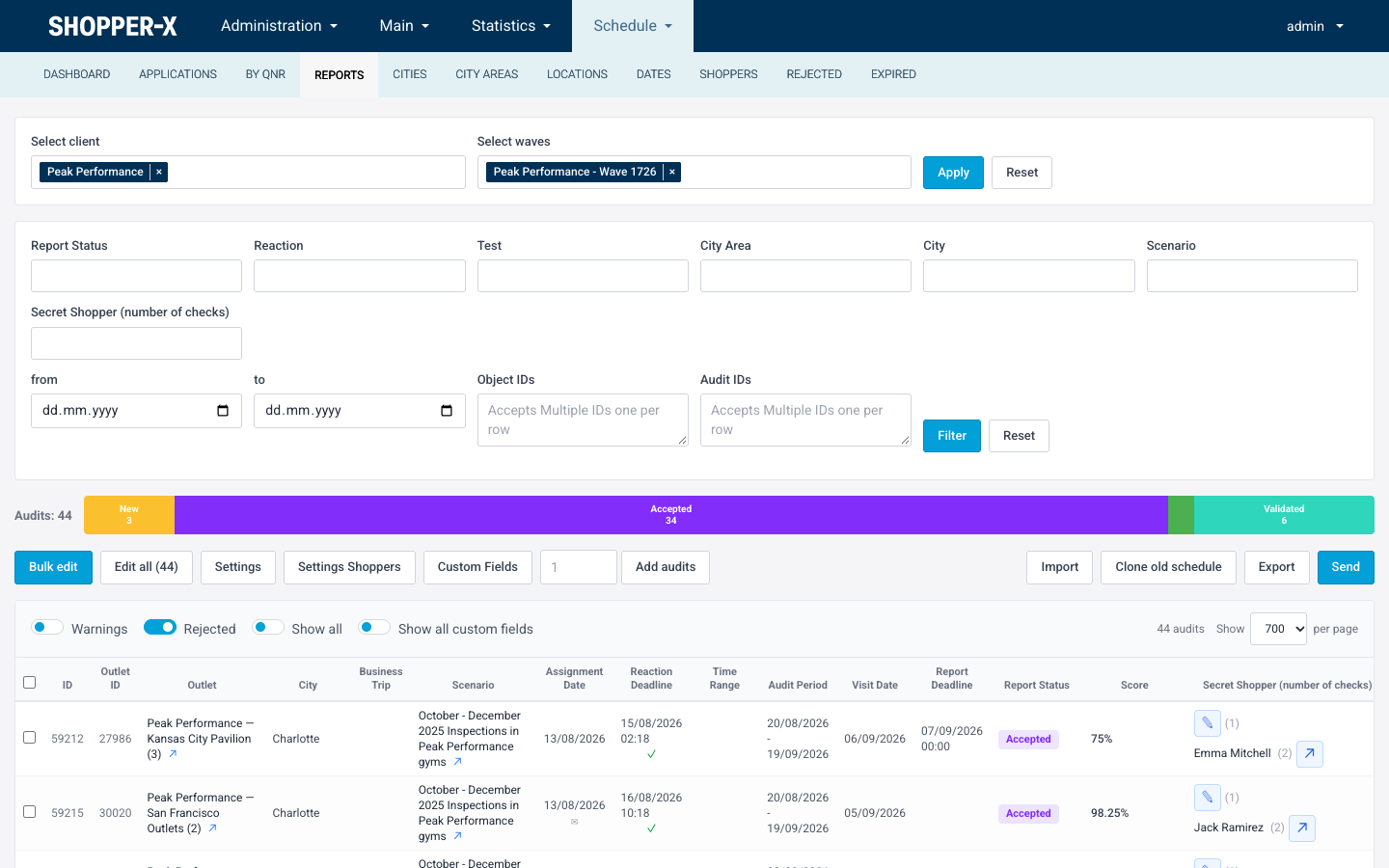
A buyer's checklist for mystery shopping software organized by workflow stage, with a 150-audit-a-month agency as the worked example, a vendor scoring table, the questions vendors avoid and a migration plan from spreadsheets.
In-house vs agency mystery shopping: which fits, and the third option
Image
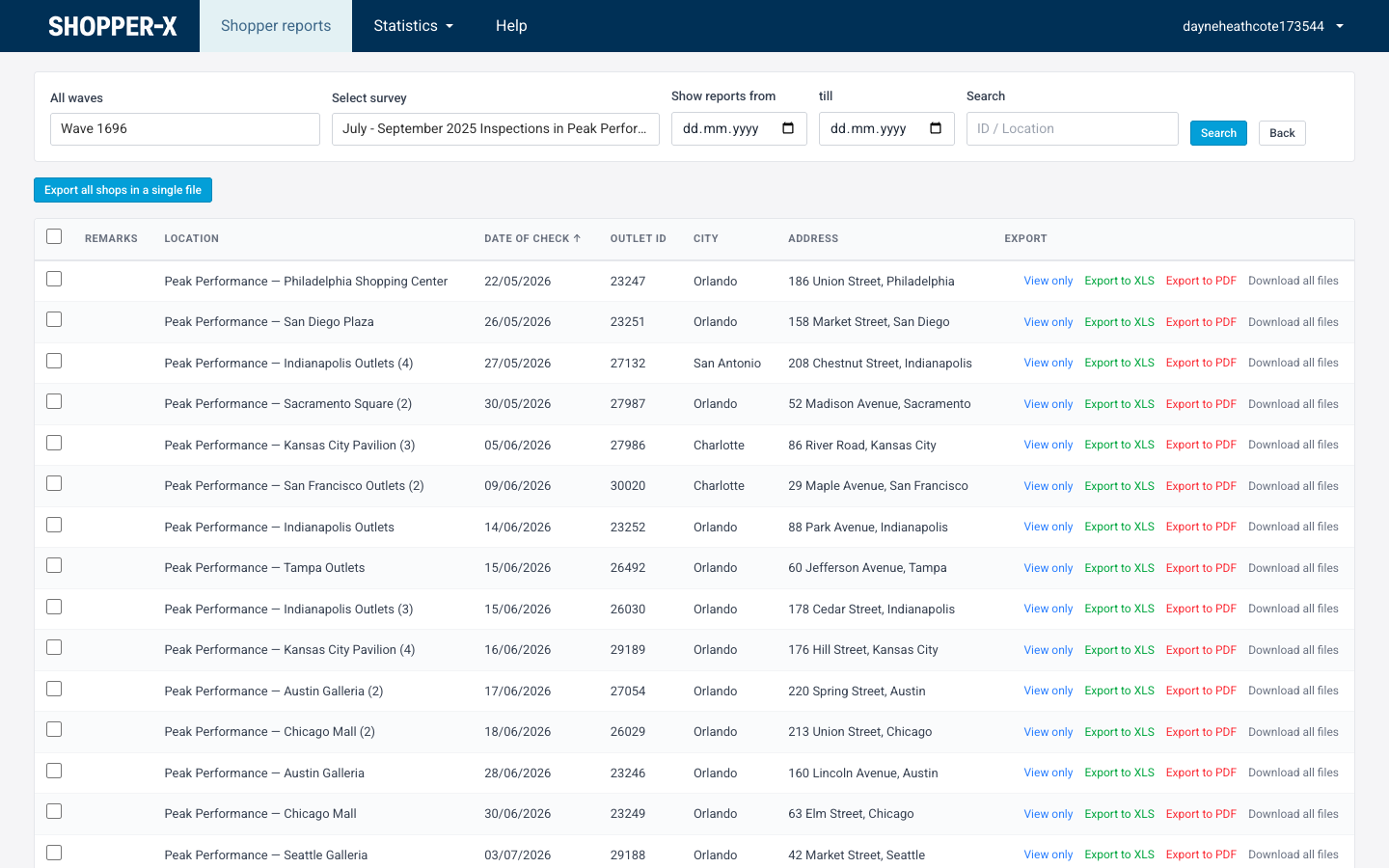
A brand-side comparison of agency-managed, in-house and platform-based mystery shopping, with a 40-store worked example, a decision table, switching costs and the hybrid where field staff and external shoppers share one system.
How to use mystery shopping results: score to coaching conversation
Image
A score of 84% tells a store manager nothing. How to read mystery shopping results in the right order, benchmark a store against its history and its region, and turn one finding into a one-page coaching note and a closed loop next wave.
Mystery shopping sample size: how many visits per location, how often
Image
How many mystery shopping visits per location a decision needs, why one visit is an anecdote, a worked example for 60 stores with quarterly waves and a weak-store add-on, and when to add waves instead of visits.
How to recruit mystery shoppers and keep the good ones
Image
A worked example for sizing a shopper pool from the schedule, the five-step qualification gate, the profile fields that make scheduling possible, and the four reasons shoppers leave with a fix for each.
How to pay mystery shoppers: fees, expenses, periods and the bank file
Image
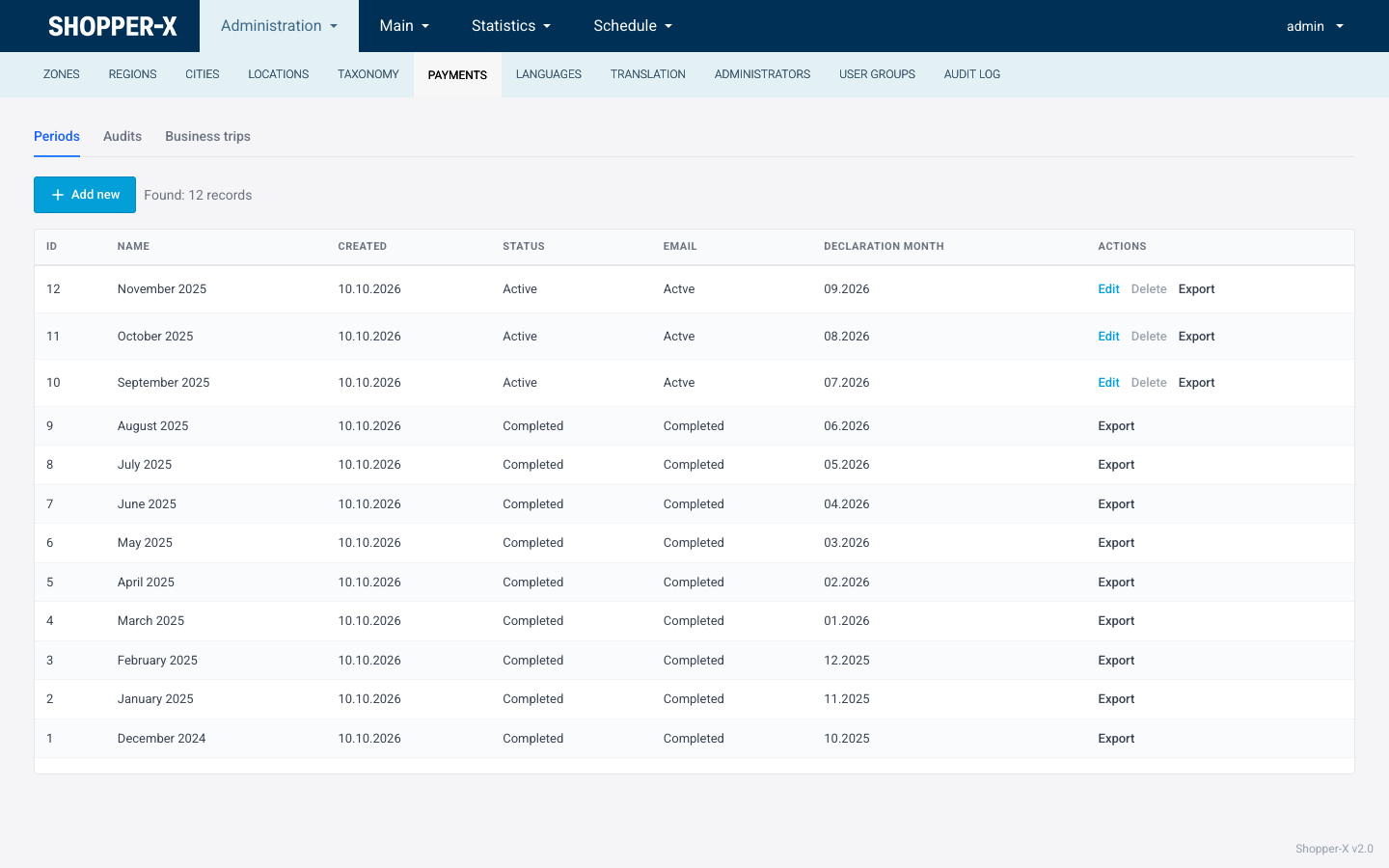
A practical guide to paying mystery shoppers: what an audit pays, why only validated reports enter the run, how a monthly payment period works, flat transportation fees versus business trips, and the bank file the accountant uploads.
Mystery shopping report validation checklist: 15 checks
Image
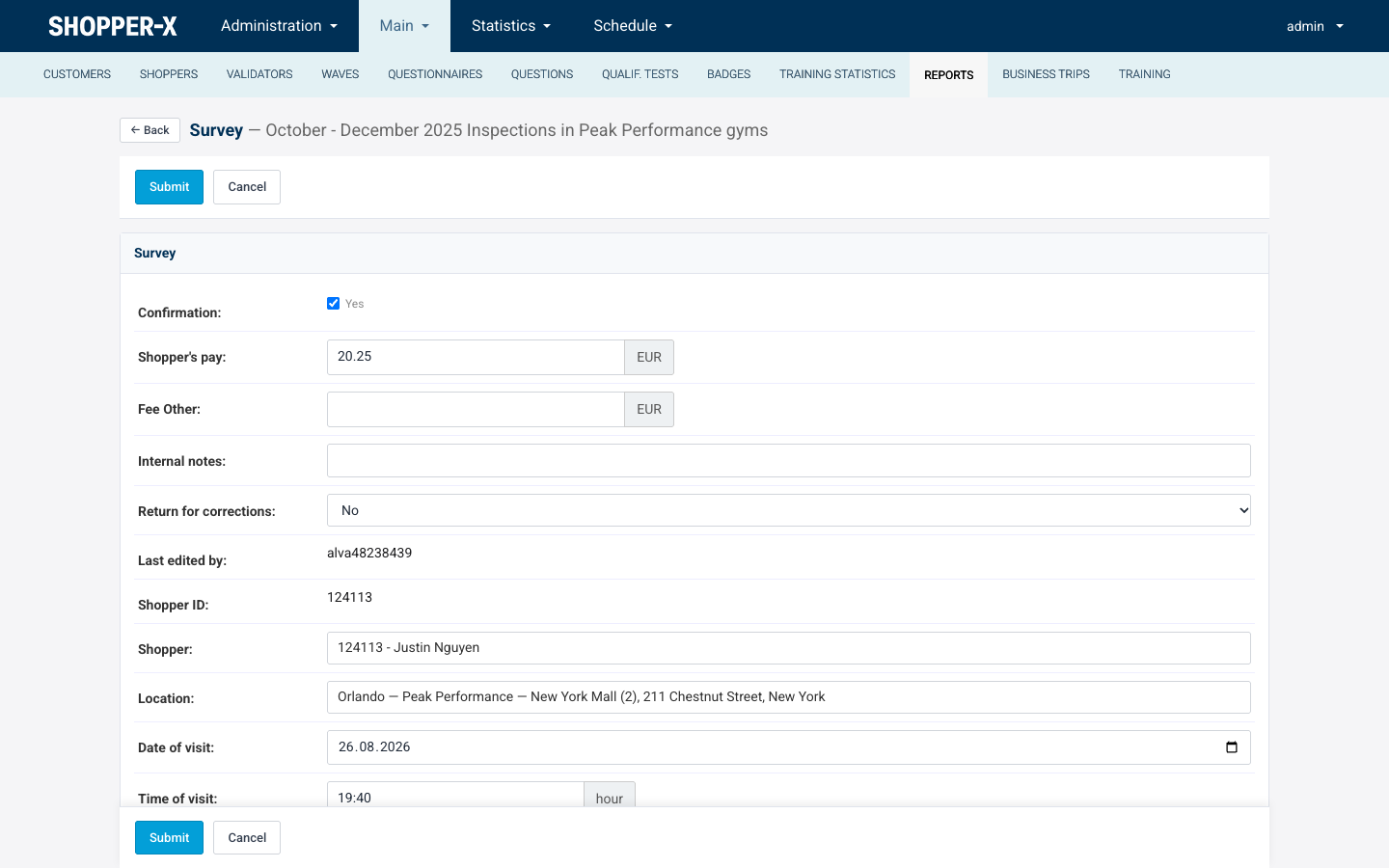
Fifteen checks a validator runs before a mystery shopping report reaches the client, the three outcomes of a review, how to score the shopper while the report is open, and which turnaround numbers point at a brief problem rather than a shopper problem.
Photo evidence rules for mystery shopping: what to require and check
Image
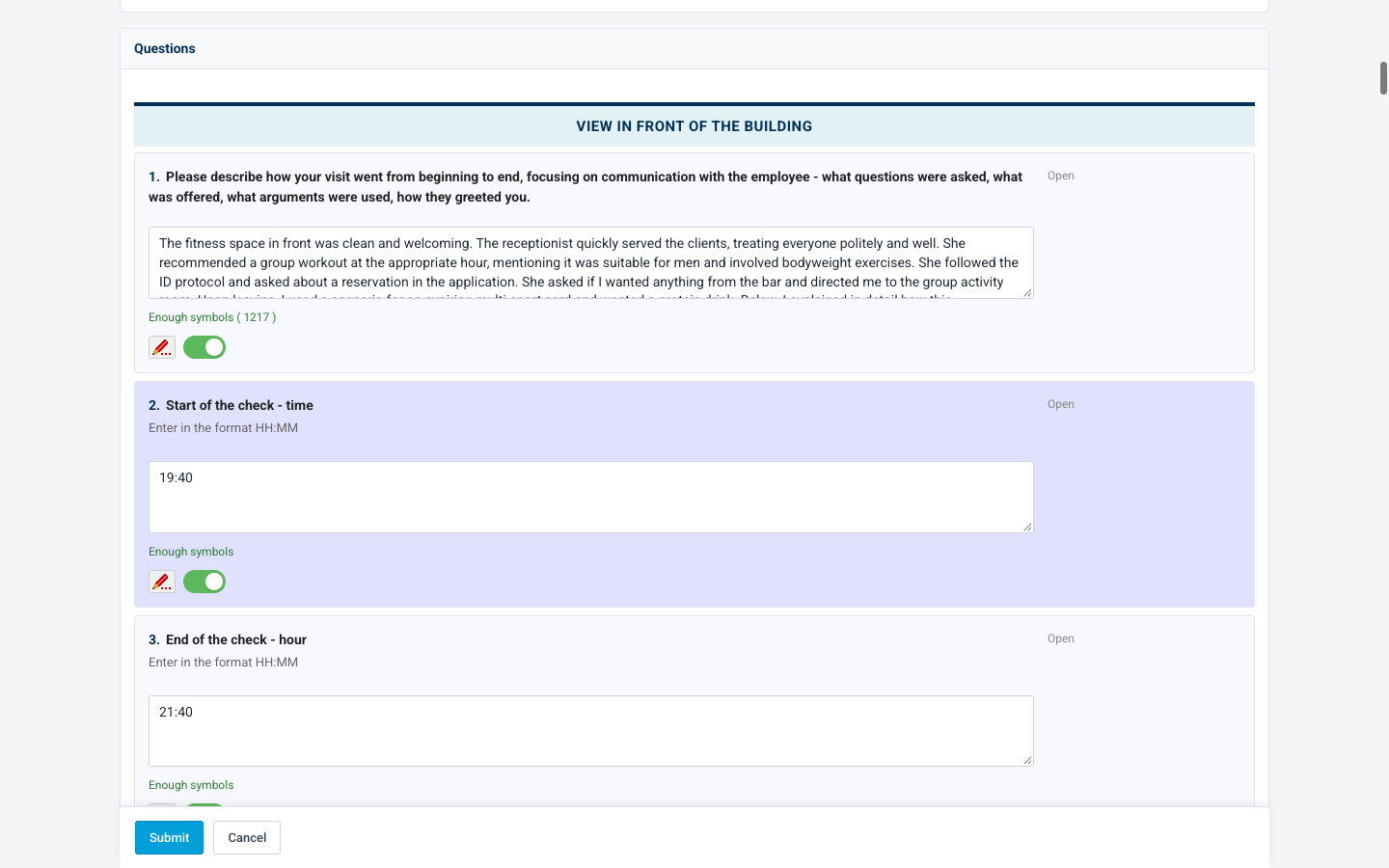
Which photos to require on a mystery shopping report, how many, when a shopper may skip one, and the three checks a validator runs on receipts, storefronts and finding photos. With a retail rule sheet as a worked example.
How to brief mystery shoppers so every visit follows the same scenario
Image
A practitioner's guide to the mystery shopper briefing: the six parts of a scenario brief, instructions placed next to each question, a ten-question test, the reaction deadline, a copyable template and the four failures that make visits incomparable.